Retail Sustainability: Keeping Store Fixtures Out of the Landfill A More Sustainable Approach to Retail Store Closures, Remodels and Fixture Removal
Sustainability has become an increasingly important priority for retailers across the country. National retail brands are setting sustainability goals, reducing waste, improving recycling programs and looking for ways to create more circular business practices.
But there is an
often-overlooked part of the retail sustainability conversation:
What
happens to the physical store when it closes, remodels, relocates or changes formats?
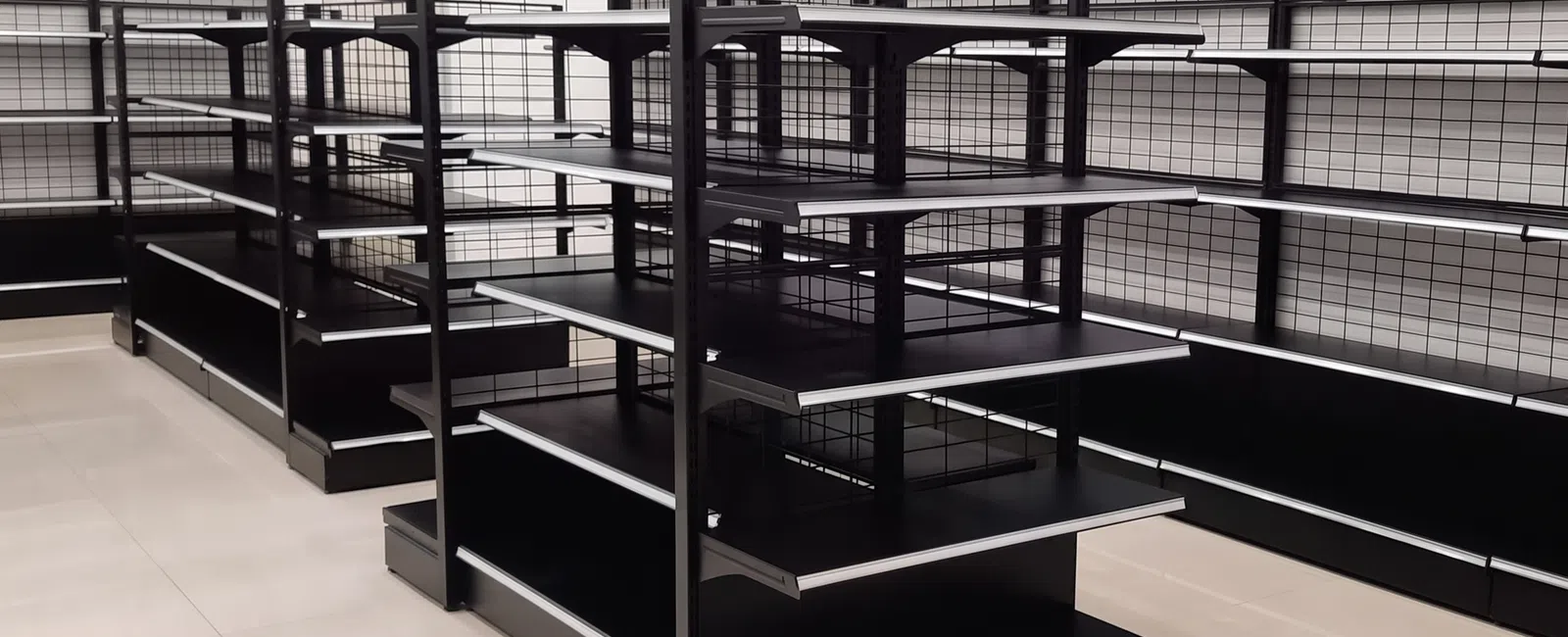
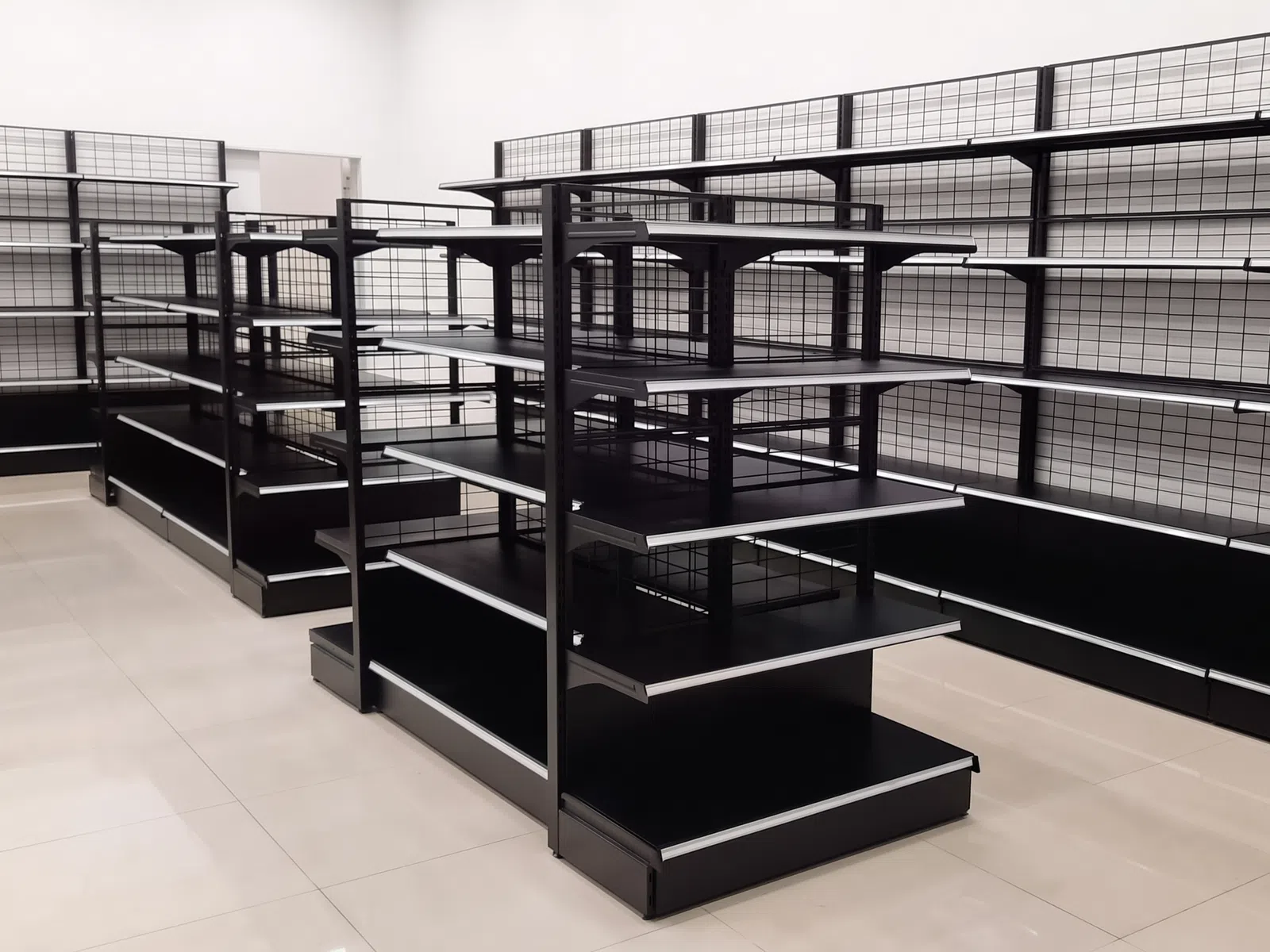
Every retail location contains thousands of pounds of potentially reusable materials — gondola shelving, display fixtures, racks, millwork, counters, cabinetry, lighting, furniture, refrigeration equipment and other FF&E.
When a store is closed or
remodeled, these assets are frequently treated as a demolition or disposal
problem. They don't have to be.
From Store Closure to Circularity
A more sustainable approach
starts by asking a different question:
How much of the existing store can be recovered, reused, resold, recycled or repurposed before it becomes waste?
This is where a strategic
FF&E recovery program can make a meaningful difference.
Rather than sending usable
store fixtures directly to a landfill or paying a contractor to haul everything
away, retailers can evaluate their existing assets and determine the highest
and best use for each category.
A typical recovery strategy may include:
- Reuse -
Fixtures that can be redeployed to another location or used in a future
remodel.
- Resale -
Fixtures and equipment that have sufficient market value can be sold to
other businesses or organizations.
- Donation -
Certain usable assets may have value to nonprofits, schools or community
organizations.
- Repurposing -
Components can sometimes be modified or incorporated into other
applications.
- Recycling -
Materials that no longer have practical reuse or resale value can be
separated and directed toward appropriate recycling streams.
- Responsible
disposal - Only materials that cannot reasonably be recovered should
ultimately move to disposal.
The objective isn't simply
to remove fixtures from a store.
The
objective is to maximize recovery and minimize waste.

Why This Matters to Retailers
Retailers are increasingly
looking at sustainability through the lens of the circular economy — keeping
products, components and materials in use for as long as possible before
recycling or disposal.
The National Retail Federation identifies reuse, repair, recycling, resale, donation and redesign as important components of retail circularity.
Store fixtures fit
naturally into that conversation. A gondola, display rack or millwork package
doesn't necessarily become "waste" simply because a retailer no
longer needs it in one location.
It may still have years of
useful life remaining. That creates an opportunity to address both
environmental and financial objectives at the same time.
Sustainability and Financial Recovery Can Work Together
One of the biggest misconceptions about sustainability is that it always requires an additional expense.
In the case of store
fixtures and FF&E, a well-designed recovery program can potentially reduce
disposal costs while generating proceeds from assets that would otherwise
become a cost.
For example, instead of: Remove → Haul Away → Landfill a retailer can potentially create a recovery process such as: Inventory → Evaluate → Redeploy / Sell / Donate → Recycle → Dispose
That change in approach can reduce the amount of material going to disposal while also creating opportunities for financial recovery.
The EPA similarly
recognizes reuse and recovery markets for materials such as furniture,
millwork, lighting fixtures, cabinets, metals and other building materials.
What Types of Store Fixtures Can Be Recovered?
Every location is different, but common
retail fixtures and equipment that may have resale or recovery value include:
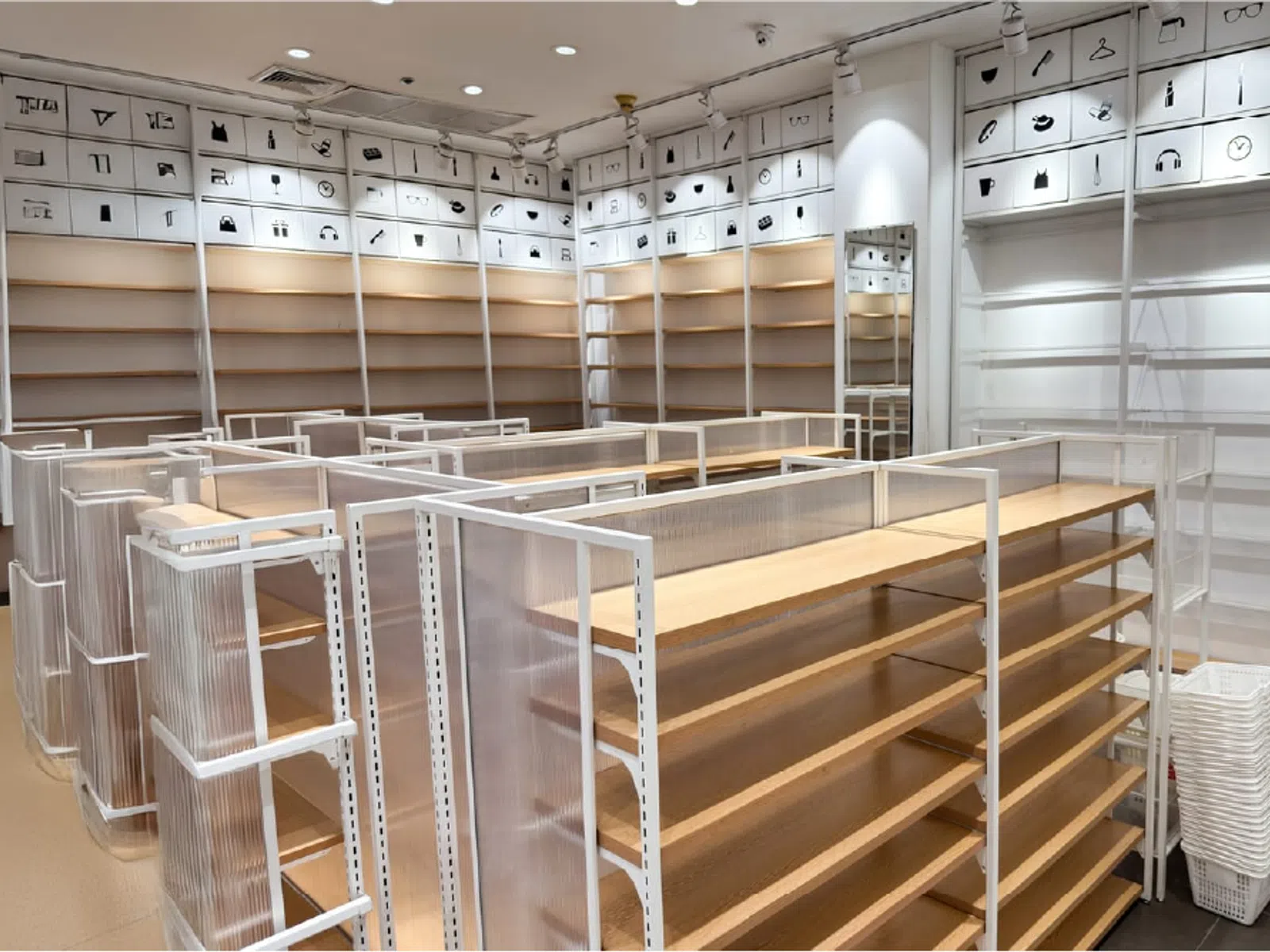
- Gondola shelving
- Lozier shelving
- Retail display fixtures
- Wall shelving
- Slatwall and gridwall
- Checkout counters and registers
- Display cases
- Clothing racks
- Specialty displays
- Pharmacy fixtures
- Grocery store fixtures
- Refrigerated cases
- Freezers
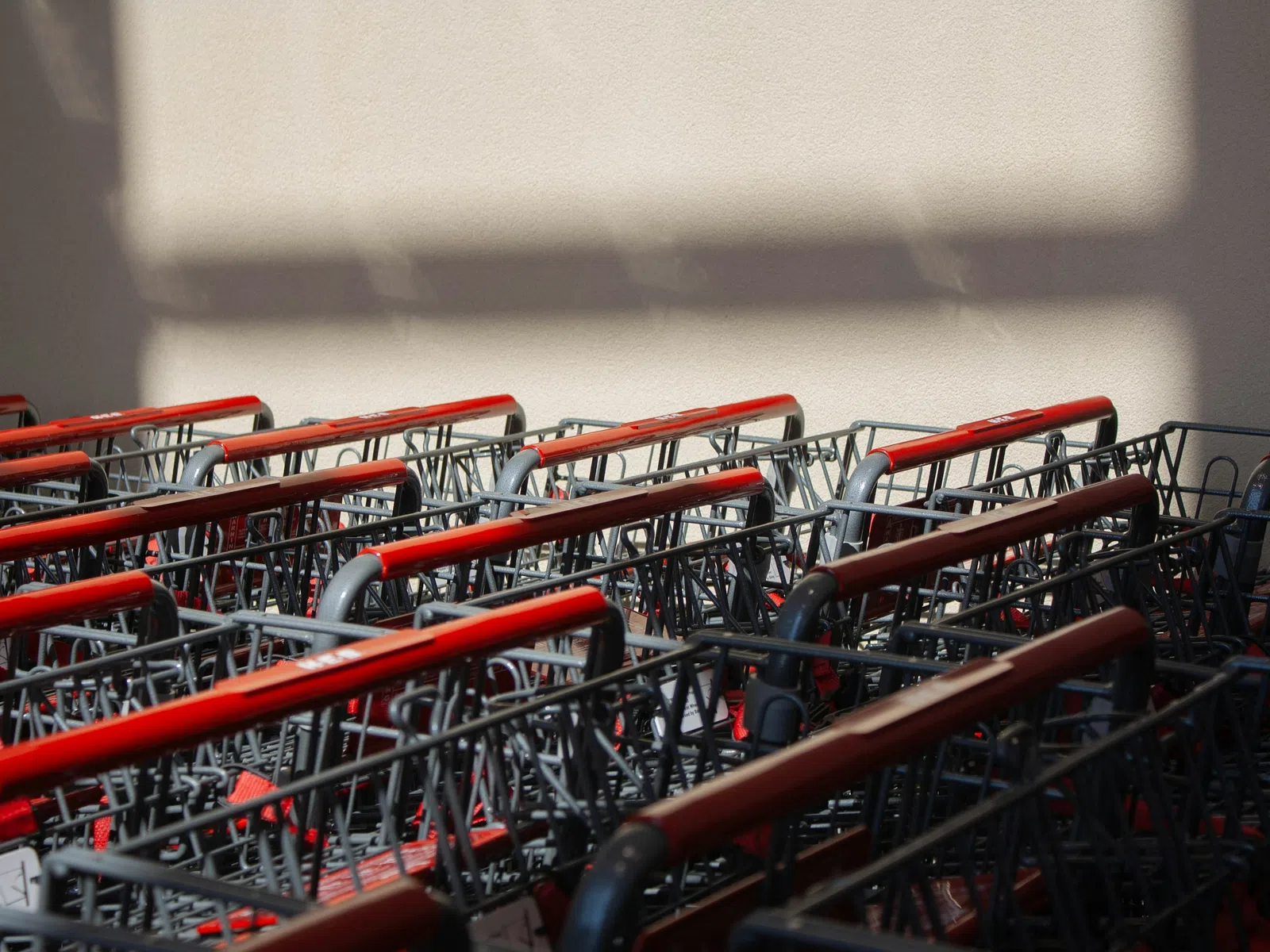
- Shopping carts
- Cabinets and millwork
- Warehouse and material-handling equipment
- Fork Lifts
- Pallet Racking
- Other retail FF&E
The objective is not necessarily to sell
every item. Instead, the project should identify which assets have sufficient
value to justify recovery, which items should be recycled or scrapped, and
which materials should ultimately be disposed of.
The Importance of the Highest and Best Use
Not every fixture should be
sold.
Not every fixture can be
reused.
And not everything can be
recycled economically.
The key is evaluating the
assets before demolition and disposal decisions are made.
A professional FF&E
recovery program should consider:
- Condition
- Age
- Quantity
- Current market
demand
- Location
- Transportation costs
- Labor required for
removal
- Potential resale
value
- Potential
redeployment opportunities
- Material Composition
- Recycling options
- Disposal costs
This creates a hierarchy of recovery rather than treating every fixture as a disposal item.
The Goal: Less Waste, More Recovery
For retailers with hundreds or thousands of locations, even small changes in the way store closures and remodels are handled can become significant at scale.
A single location may contain a relatively modest amount of recoverable material. Multiply that by dozens, hundreds or thousands of locations, and the opportunity becomes much larger. The result is a more circular approach to retail real estate and store operations:
Keep usable assets in use.
Recover value whenever possible.
Recycle materials when reuse is no longer practical.
Dispose of as little as possible.

Where FF&E Fits Into a Retailer's Sustainability Strategy
Retail sustainability
programs often focus on areas such as energy efficiency, transportation,
packaging, refrigerants, waste reduction and supply chains.
FF&E recovery can complement those efforts by addressing the physical assets already inside the retail environment.
This becomes particularly
important during:
- Store closures
- Store remodels
- Retail bankruptcies
- Relocations
- Lease expirations
- Store format changes
- Mergers and
acquisitions
- Portfolio reductions
- Demolition projects
- Distribution center closures
Instead of waiting until
demolition begins, retailers can incorporate fixture recovery into the project
plan from the beginning.

A Better Question for Retailers
The next time a store is
scheduled for closure, relocation, or renovation, the question shouldn't simply be:
"How
much will it cost to remove everything?"
A better question may be:
"What can we recover before we pay someone to throw it away?"
That simple change in
perspective can turn store fixtures from a disposal liability into a potential
source of financial recovery and environmental benefit.
Building a More Circular Retail Environment
The retail industry is
increasingly moving toward circular business models that emphasize keeping
products and materials in use longer. The NRF's Center for Retail
Sustainability specifically identifies circularity and reverse logistics as
important components of this transition.
For retailers, that means
looking beyond the products sold to customers and considering the materials and
assets used to operate the stores themselves.
Store fixtures are a natural place to start.
At GA Group, our approach is centered on helping retailers evaluate, recover and responsibly manage their store fixtures and FF&E.
Our goal is
straightforward:
Maximize
recovery.
Minimize waste.
Capture value.
Keep usable materials out of the landfill whenever practical.
Because the most
sustainable fixture may not be the one you buy for your next store.
It
may be the one you already have.
Have Store Fixtures Left Behind by a Former Tenant?
If you have a retail property that requires fixture removal, liquidation, or FF&E recovery, GA Group can evaluate the location and help determine the best approach.
Contact GA Group to discuss your store fixture liquidation or recovery project.