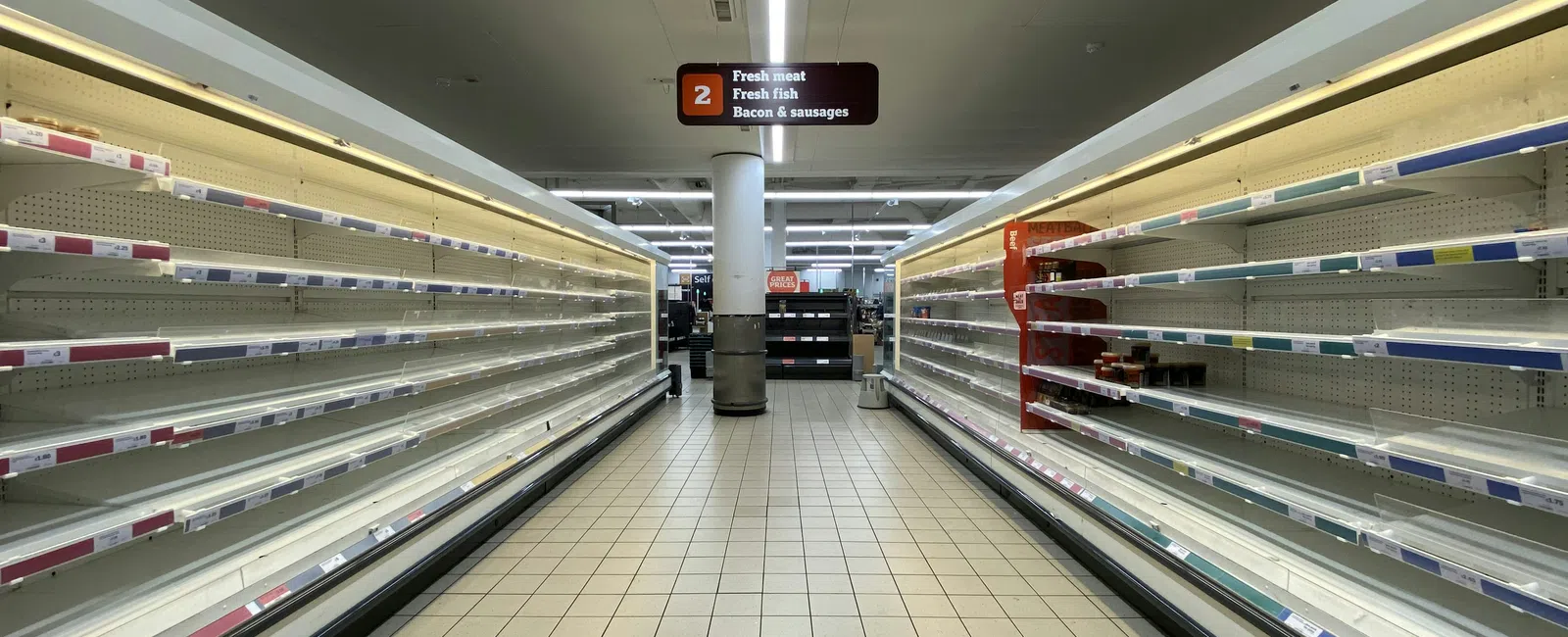
Commercial Real Estate Store Fixtures Left Behind? How Property Managers Can Reduce FF&E Removal Costs
When a retail tenant closes a location,
files for bankruptcy, or moves to a new facility, property owners and
commercial real estate managers are often left with an unexpected problem: what
to do with the store fixtures, equipment, and other FF&E left behind.
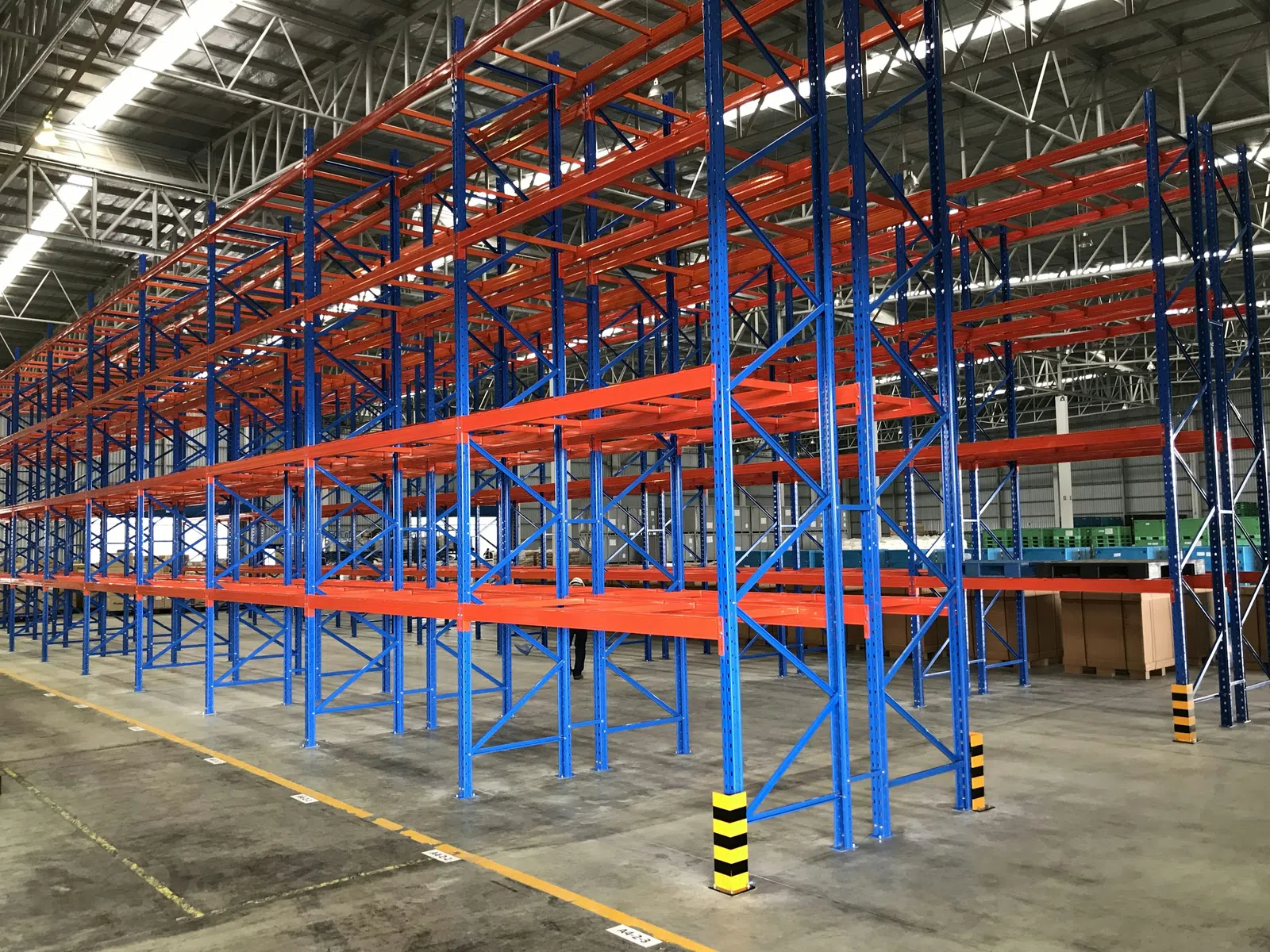
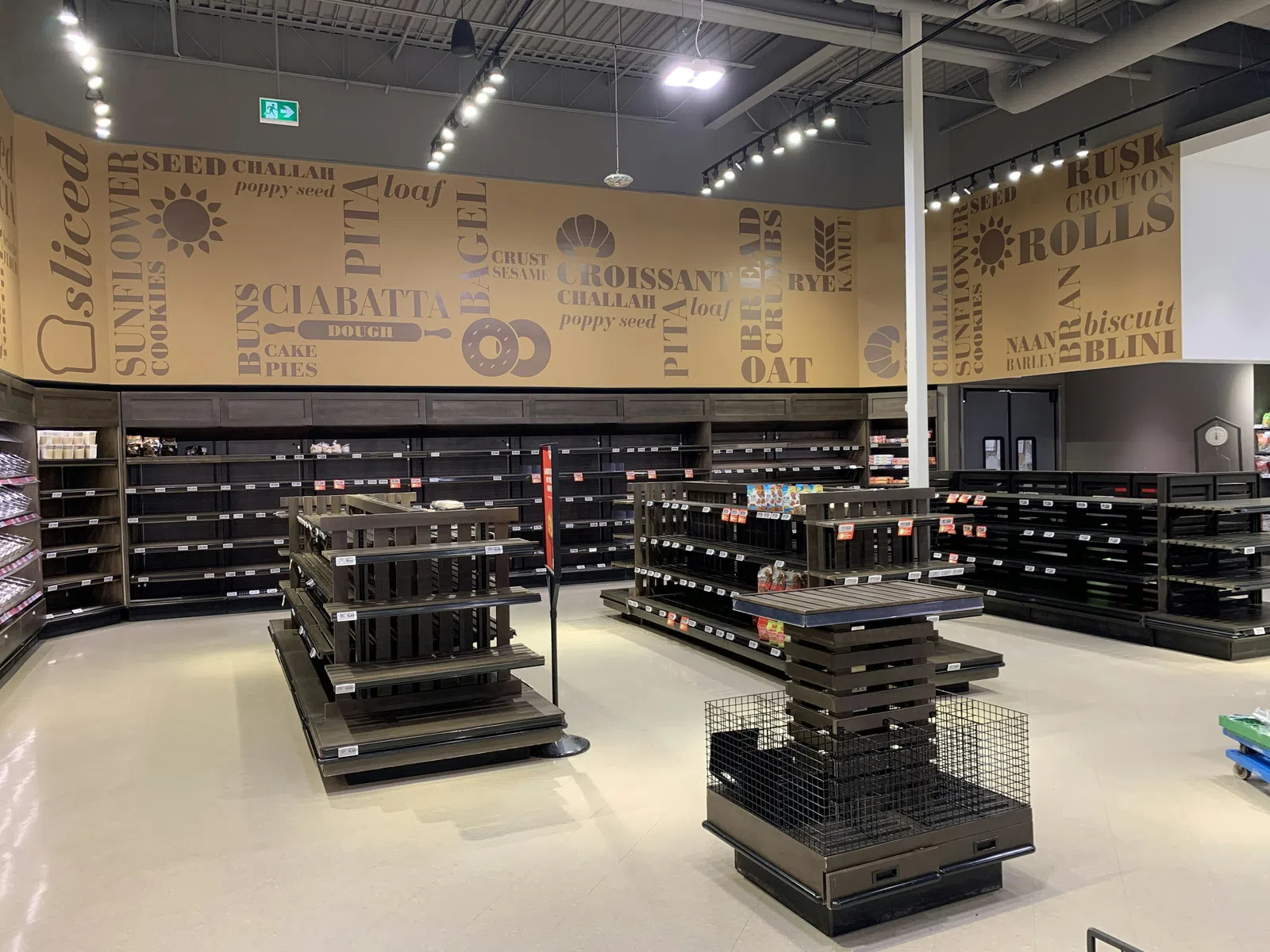
Shelving, display fixtures, checkout counters, refrigeration, cabinets, racks, back room shelving shopping carts, and other retail equipment can represent a significant amount of material to remove before a property can be returned to the market.
The traditional solution is often straightforward: hire a general contractor, remove everything, and dispose of it.
But there may be a better option.

Store fixture liquidation and asset recovery can help property managers reduce removal costs while recovering value from usable fixtures and equipment.
GA Group provides nationwide store fixture
liquidation, recovery, removal, and on-site liquidation services designed to
help retailers, landlords, and property managers manage these projects more
efficiently.
Why Store Fixture Removal Can Become Expensive
A retail space that has been abandoned by a tenant can contain thousands of individual fixtures and pieces of equipment. Removing those assets requires labor, transportation, dumpsters, project management, and often specialized equipment.
A traditional general contractor may be well equipped to complete the physical cleanout, but the primary objective is typically removal and disposal.
That creates two challenges for property managers.
1. The cost of removal adds up quickly
Labor, equipment, transportation, dumpsters, disposal fees, and contractor overhead can make a large retail cleanout expensive. In addition to the direct costs, a general contractor typically does not have a specialized sales channel for used retail fixtures and equipment.
2. Usable fixtures may end up in a
landfill
Many retail fixtures remain perfectly
functional even when a store is closing. Gondola shelving, display cases,
checkout fixtures, racks, refrigeration, and other equipment may have
significant value to another retailer, contractor, reseller, or business. Simply
throwing those assets away means the property owner or retailer pays to remove
the items while potentially losing the opportunity to recover some of their
value.

A Different Approach: Store Fixture Liquidation and Recovery
Instead of treating every fixture as waste, property managers can consider a store fixture liquidation and recovery strategy. GA Group's approach combines the physical removal of fixtures with an organized on-site liquidation process designed to identify, market, sell, and remove as many reusable assets as possible.
The goal is simple:
Remove the fixtures, recover as much value as possible, and reduce the overall cost of the cleanout.
Depending on the location, quantity,
condition, and market demand for the assets, recovered proceeds can help offset
some of the costs associated with the removal project.
What Is On-Site Store Fixture Liquidation?
Onsite liquidation means that fixtures and
equipment are marketed and sold from the retail location rather than being
moved to another facility before being offered for sale.
This can provide several advantages. GA Group can identify the assets with resale potential, develop a marketing strategy, coordinate buyers, manage the removal process, and help ensure that sold fixtures are professionally dismantled and loaded.
This approach can reduce unnecessary
handling and transportation while making the assets more accessible to
potential buyers. It also allows the
removal and liquidation processes to work together rather than treating them as
two separate projects.
What Types of Store Fixtures Can Be Recovered?
Every location is different, but common
retail fixtures and equipment that may have resale or recovery value include:
- Gondola shelving
- Lozier shelving
- Retail display fixtures
- Wall shelving
- Slatwall and gridwall
- Checkout counters and registers
- Display cases
- Clothing racks
- Specialty displays
- Pharmacy fixtures
- Grocery store fixtures
- Refrigerated cases
- Freezers
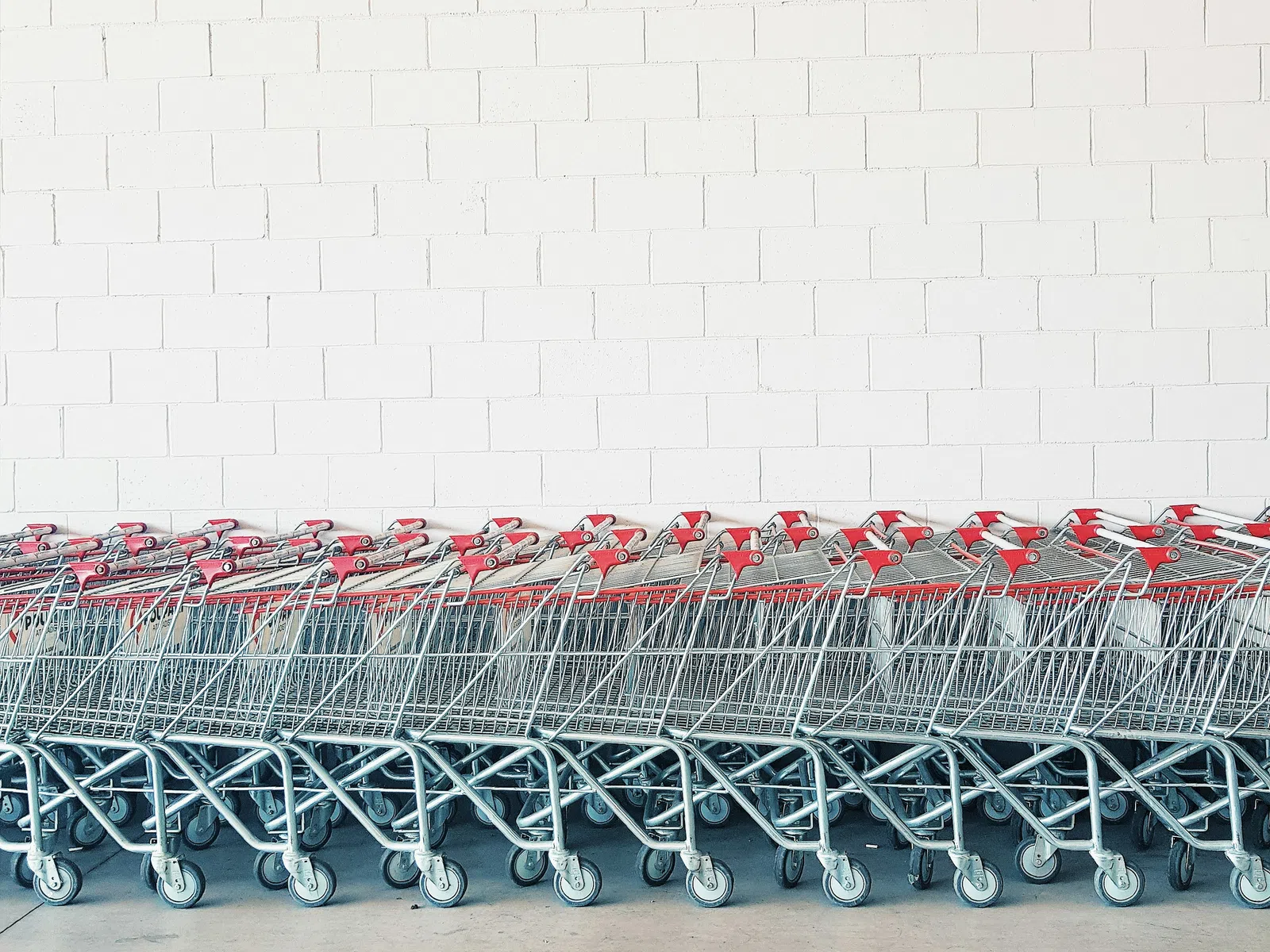
- Shopping carts
- Cabinets and millwork
- Warehouse and material-handling equipment
- Fork Lifts
- Pallet Racking
- Other retail FF&E
The objective is not necessarily to sell
every item. Instead, the project should identify which assets have sufficient
value to justify recovery, which items should be recycled or scrapped, and
which materials should ultimately be disposed of.
How Fixture Recovery Can Reduce Project Costs
One of the biggest advantages of combining liquidation and removal is that the value of the assets can become part of the overall project economics.
A traditional cleanout may look like this:
Remove → Dumpster → Pay Disposal Costs
A recovery-focused approach can look more
like:
Identify → Market → Sell → Remove → Recover Value
When there is sufficient resale value, the
proceeds from recovered fixtures and equipment can help offset labor,
transportation, disposal, and other project expenses.

Sustainability and Retail Asset Recovery
Retail fixture recovery also supports
broader sustainability initiatives.
Reusable fixtures and equipment that are
recovered and placed back into service can have a second life rather than
immediately entering the waste stream.
For retailers and property managers with
sustainability objectives, fixture recovery can become one component of a
broader strategy for reducing unnecessary disposal.
Rather than viewing store fixtures simply
as waste that needs to be removed, an asset recovery approach considers whether
those fixtures can be reused, resold, repurposed, recycled, or otherwise
diverted from the landfill.
Why Use a National Store Fixture Partner?
Large retailers and commercial real estate
companies often manage properties across multiple markets. Working with a
national provider can create consistency in project management, reporting,
sales, removal, and customer communication.
GA Group's capabilities allow clients to
utilize a single partner for multiple components of a fixture recovery project,
including:
- Store fixture valuation
- Fixture liquidation
- On-site liquidation
- Fixture harvesting
- Store fixture removal
- Buyer coordination
- Transportation and logistics
- Asset recovery
- Recycling and responsible disposal
- Broom-swept property turnover
This integrated approach can help reduce the number of vendors a property manager needs to coordinate while creating a more comprehensive recovery strategy.
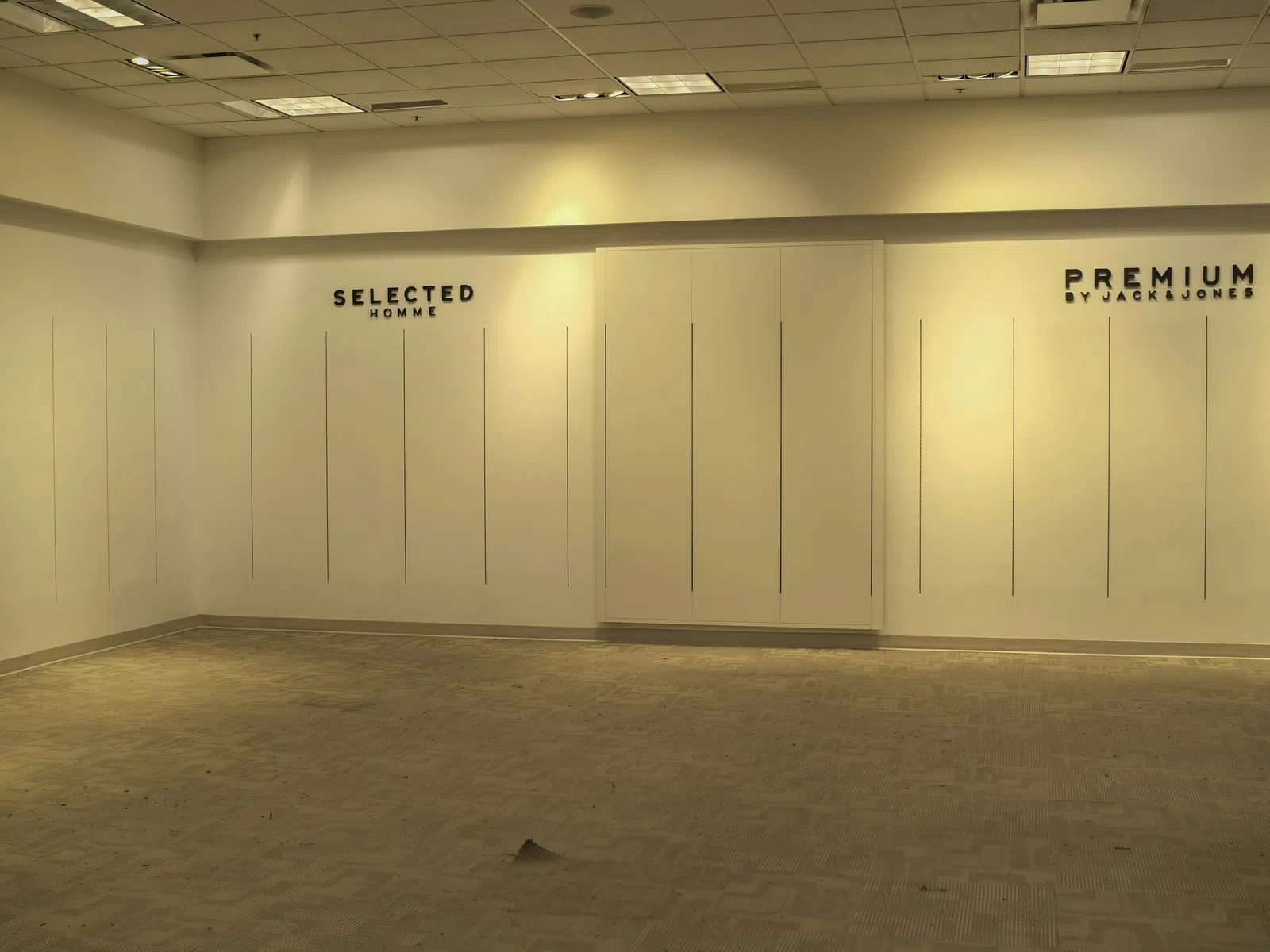
Store Closures Don't Have to Mean Fixture Disposal
When a retailer leaves a property, the fixtures and equipment left behind can create a significant liability for the property owner or manager. But they can also represent an opportunity. Before sending fixtures to a dumpster or committing to a traditional cleanout, property managers should consider whether the assets have enough resale value to support a store fixture liquidation and recovery program.
GA Group works with retailers, landlords, commercial real estate companies, and property managers to evaluate these opportunities and develop practical solutions for fixture liquidation, recovery, removal, and on-site sales.
Whether you are dealing with a single
abandoned retail location or a nationwide store closure program, the right
strategy can help reduce removal costs, recover asset value, and keep usable
fixtures and equipment in circulation.
Have Store Fixtures Left Behind by a Former Tenant?
If you have a retail property that requires fixture removal, liquidation, or FF&E recovery, GA Group can evaluate the location and help determine the best approach.
Contact GA Group to discuss your store fixture liquidation or recovery project.