When Air Quality Becomes an Operational Risk
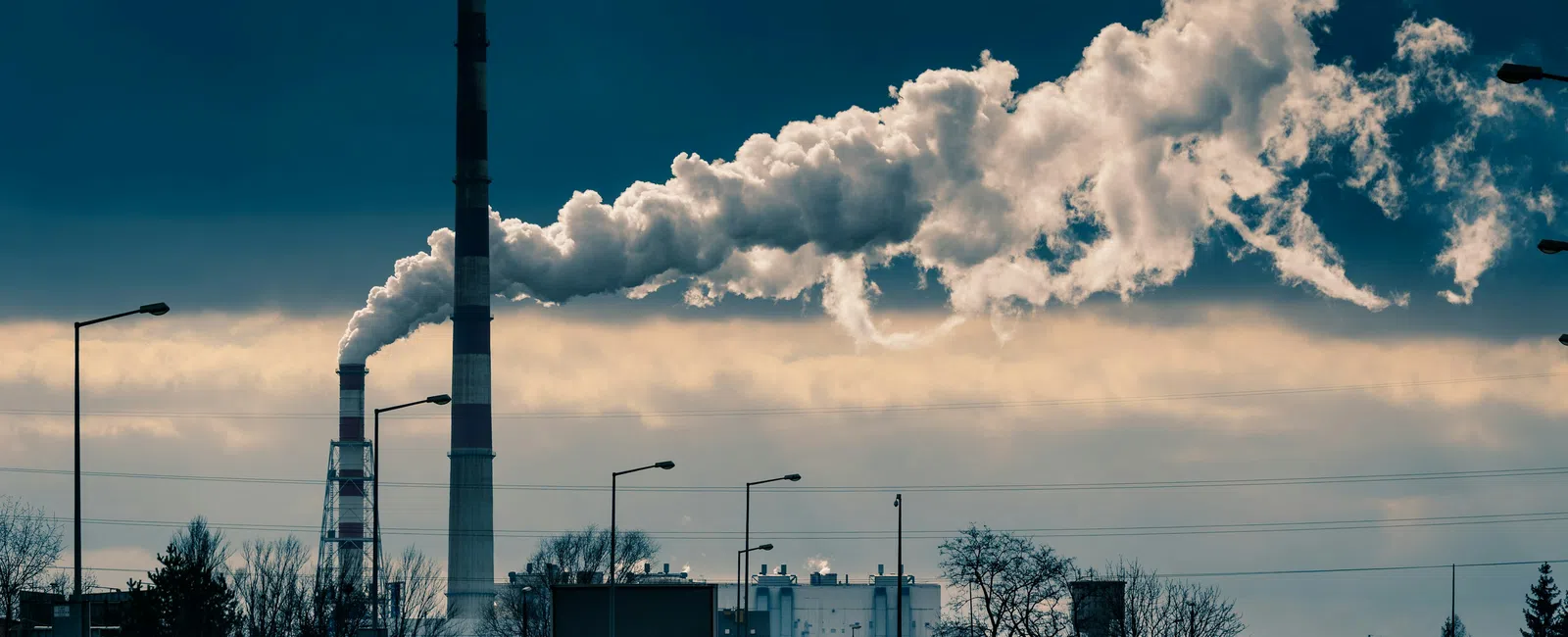
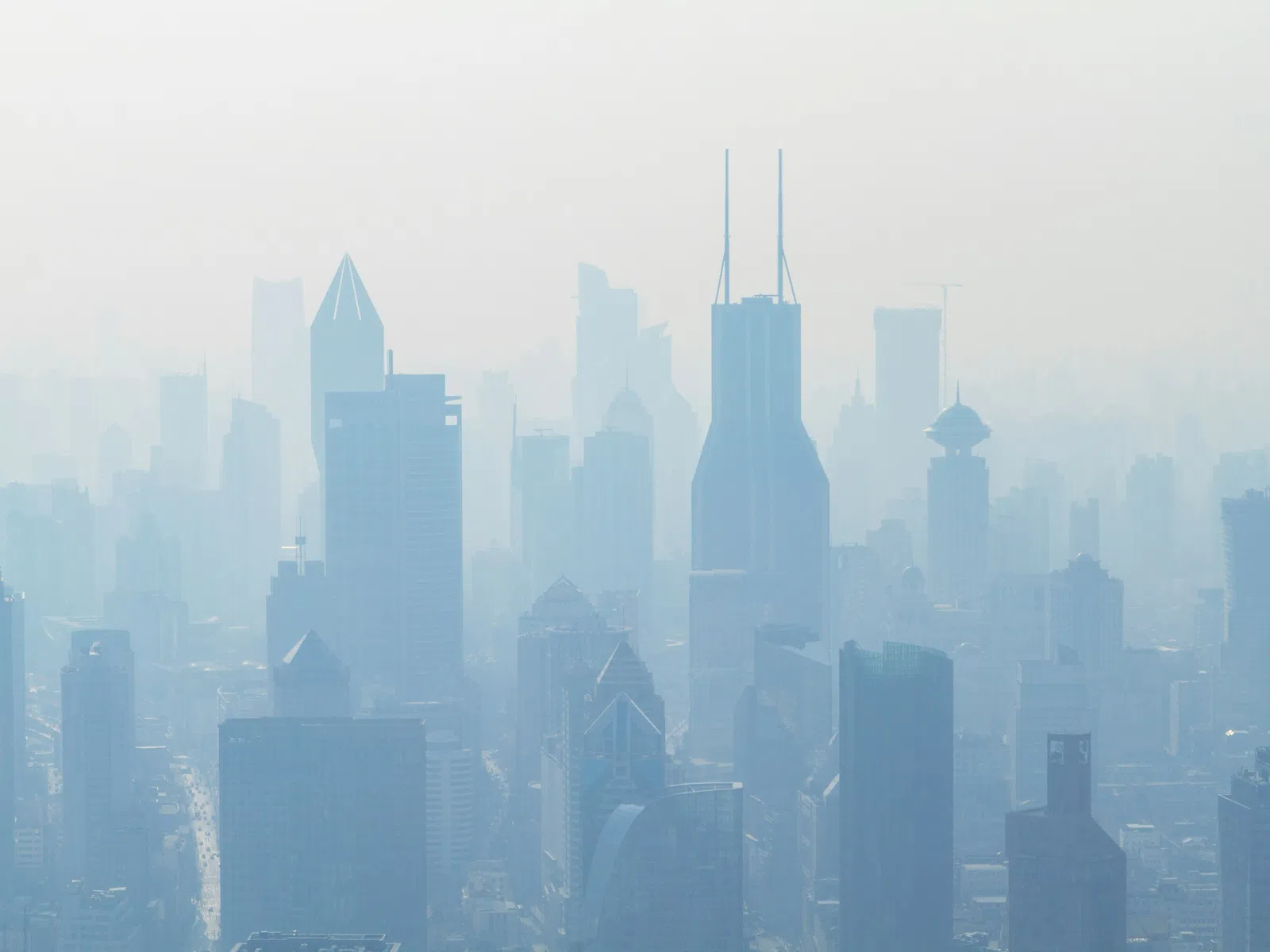
Wildfire smoke and poor air quality are not new challenges. Communities in the West and other wildfire-prone areas have managed these conditions for decades. What has become increasingly evident, however, is how far the poor air quality can extend beyond the communities closest to the actual fire. Images all over social media of hazy, orange skies over cities such as Chicago and New York have brought greater visibility (no pun intended) to this risk and that what we see in the sky is only part of the story.
Wildfire smoke
can disrupt an organization even when the fire itself is hundreds of miles
away. For business leaders, the question is not simply
whether the air is unhealthy. It is whether deteriorating conditions could
interfere with critical people, processes, facilities, and services. Even
organizations with primarily indoor operations can find themselves making
decisions they may never have anticipated.
Potential Business Impacts of Poor Air Quality
Workforce
- Employees may be unable or unwilling to travel to work.
- Outdoor and physically demanding work may need to be
reduced, modified, or paused.
- Employees with respiratory conditions may require
additional accommodations.
Facilities
- Smoke may infiltrate buildings through entrances,
loading docks, or ventilation systems.
- Indoor air quality may affect employee comfort, safety,
and productivity.
- Facility leaders may need to assess HVAC filtration,
building access, and occupancy plans.
Operations and Service Delivery
- Field work, transportation, deliveries, construction,
and outdoor events may be delayed or canceled.
- Staffing shortages or restricted operations may affect
critical services.
- Customer traffic and demand may change, particularly in
retail, hospitality, healthcare, and education.
Leadership and Communications
- Leaders may need to make decisions quickly despite
incomplete information.
- Employees, customers, suppliers, and other stakeholders
may need timely, consistent communications.

AQI as an Operational Indicator
Most of us have become more familiar with the Air Quality Index, or AQI. It appears alongside temperature, precipitation and other information we routinely use to understand the conditions around us.
From a business
continuity perspective, AQI deserves another look as it relates to whether
deteriorating air quality could interfere with a business' ability to perform
critical functions and processes. This will look different from one
organization to another:
- A distribution center may be concerned about employees working around open loading docks
- A utility may have crews performing strenuous work outdoors
- A university may have classes, athletics and outdoor events to consider
- A corporate office may have more flexibility to shift work remotely
The AQI is the same, but the operational consequences
are not. That is where business continuity planning comes in.
From Monitoring to Decision-Making
We often spend considerable time identifying the hazards that could affect an organization, but identifying a hazard is only the beginning. The real value comes from understanding what that hazard could disrupt and what options the organization has when it does.
Organizations should define in advance what conditions
require heightened monitoring, leadership notification, operational
adjustments, employee communications, or activation of continuity procedures.
Questions to Ask Before Air Quality Deteriorates
- Which teams, facilities, and critical services are most
exposed to poor air quality?
- Who monitors air-quality conditions, and how are changes
communicated to decision-makers?
- What thresholds prompt leadership review or operational
action?
- Which roles can work remotely, relocate, adjust
schedules, or shift to alternate processes?
- What happens if conditions persist for several days or affect multiple locations?
The recent Continuity Insights article, "Wildfire Smoke Costs Businesses
Billions in Health Risk, Continuity," provides useful guidance on the
practical considerations organizations should evaluate, including worker
protection, indoor air quality, respiratory protection and preparedness
measures.
From Smoke to Strategy: Building Operational Resilience
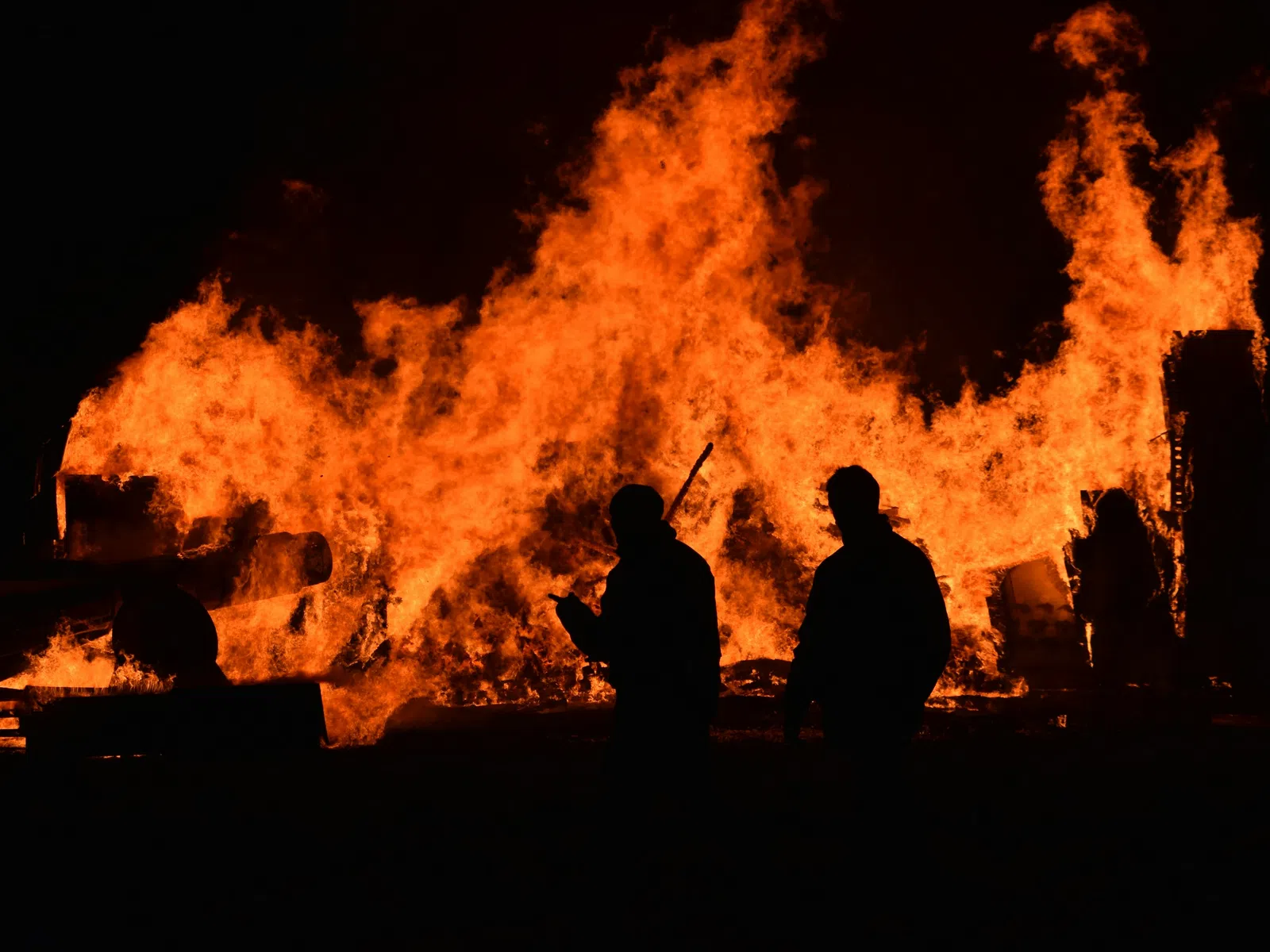
Wildfire smoke is a reminder that business disruption does not always arrive as a local emergency. An incident may occur far from an organization's facilities yet still affect its workforce, operations, customers, and ability to deliver critical services.
Organizations that prepare effectively do more than monitor conditions. They identify vulnerable operations, establish decision thresholds, define practical response options, and test how they will sustain critical functions during extended disruption.
A continuity-readiness assessment can help identify
vulnerable operations, decision thresholds, response actions, and gaps in your
current plans. Contact our team to discuss how air-quality events and other
indirect disruptions fit into your resilience strategy.