
Beyond Square Footage: How AI, Power Constraints, and Lead Time Volatility Are Reshaping Data Center Insurance Valuation

Power, Processing & Protection
Artificial intelligence may dominate headlines, but the underlying infrastructure and the computing layer it supports are the real story. Across North America, the rapid expansion of hyperscale and colocation data centers is reshaping power demand, construction labor and economics, equipment availability, and ultimately how insurers and asset owners must think about value and resilience.
The question is
no longer simply, "Have construction costs gone up?" The more important
questions are:
- Does the insured value reflect the full infrastructure required to make the facility operable, including power, cooling, and integrated systems?
- Are rebuilding timelines realistic given transformer, switchgear, and specialized equipment lead times?
- Is business interruption coverage modeled around today's supply chain constraints rather than historical replacement assumptions?
- What are the right insurance limits to buy, and can the insurance market provide the limit capacity requirements that are contractually required?
At GA Group's Risk
Solutions practice, spanning Insurance Valuation and Risk &
Resilience Advisory, we are seeing a persistent structural shift in the
industry.

It’s No Longer “Just a Building”
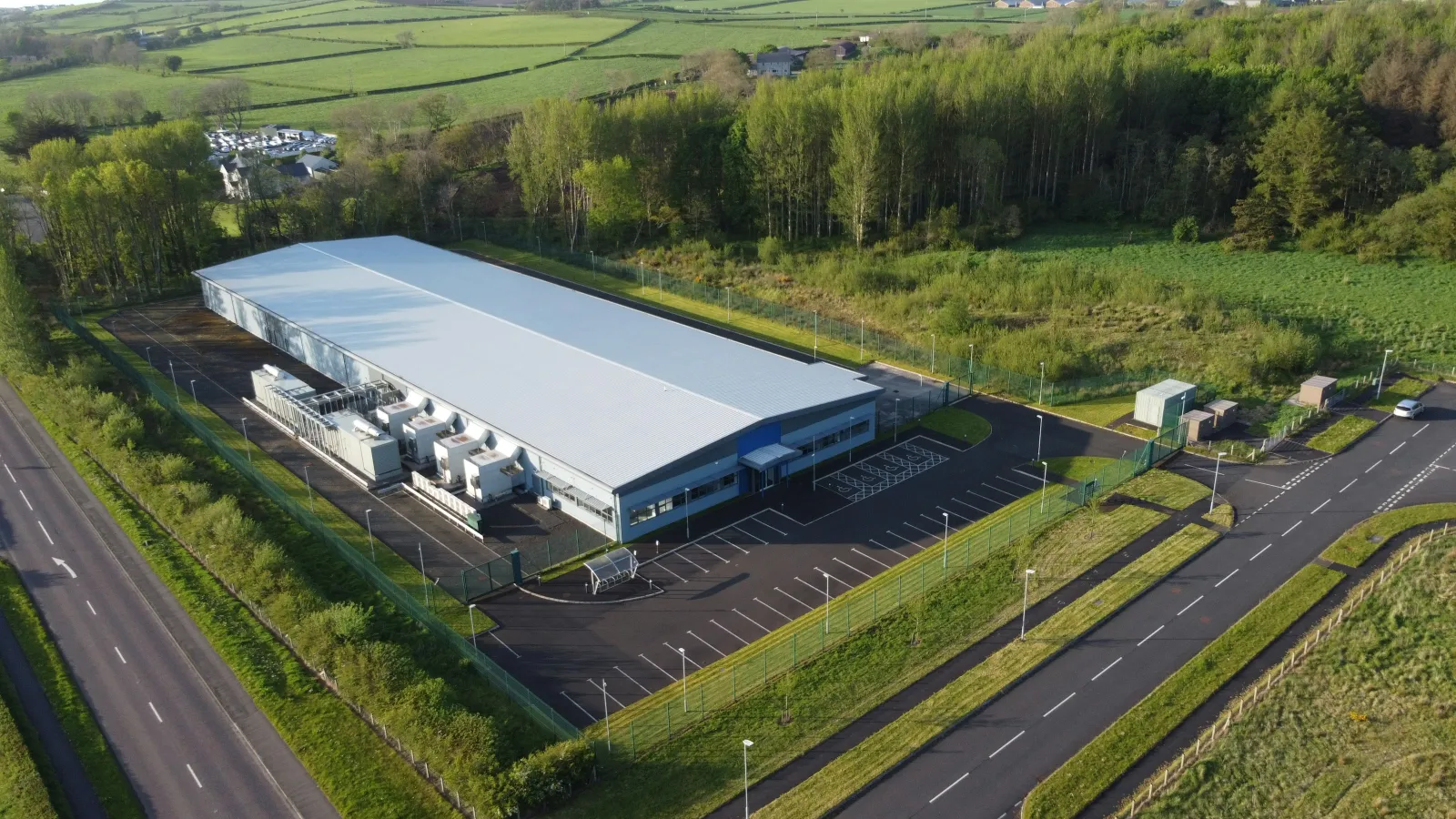
Modern data centers function less like traditional commercial buildings and more like electrical distribution hubs.
In many facilities, the building shell represents a minority of total replacement cost. As AI workloads push rack densities and power demands higher, value shifts to on premises substations, transformers, high-capacity electrical distribution systems, UPS arrays, advanced cooling infrastructure, backup generation, and the control systems that integrate these components.
The complexity of
these electrical and mechanical systems - not the physical footprint -now
determines true replacement cost. Standard building indices alone rarely
capture this embedded complexity.
Regional Infrastructure Inflation Is Real
Data center clustering in markets such as Northern Virginia, Texas, and parts of the Midwest has created localized infrastructure pressure. Affordable land, electrical contractors, substation construction capacity, transmission upgrades, and commissioning labor are all in high demand.
This is not broad construction inflation; it is infrastructure-constrained inflation. In high-density markets, switchgear pricing carries premiums, copper-intensive systems have escalated, transformer procurement cycles have lengthened, and soft costs tied to permitting, property insurance and grid interconnection have increased. Replacement cost is now highly regional and directly tied to power availability.

Computing’s New Reality: Unprecedented Density, Unprecedented Risk
The shift does not stop at infrastructure. Power intensity and computing intensity are now inseparable. Inside the white space, capital intensity is accelerating at rates not seen since the Industrial Revolution.
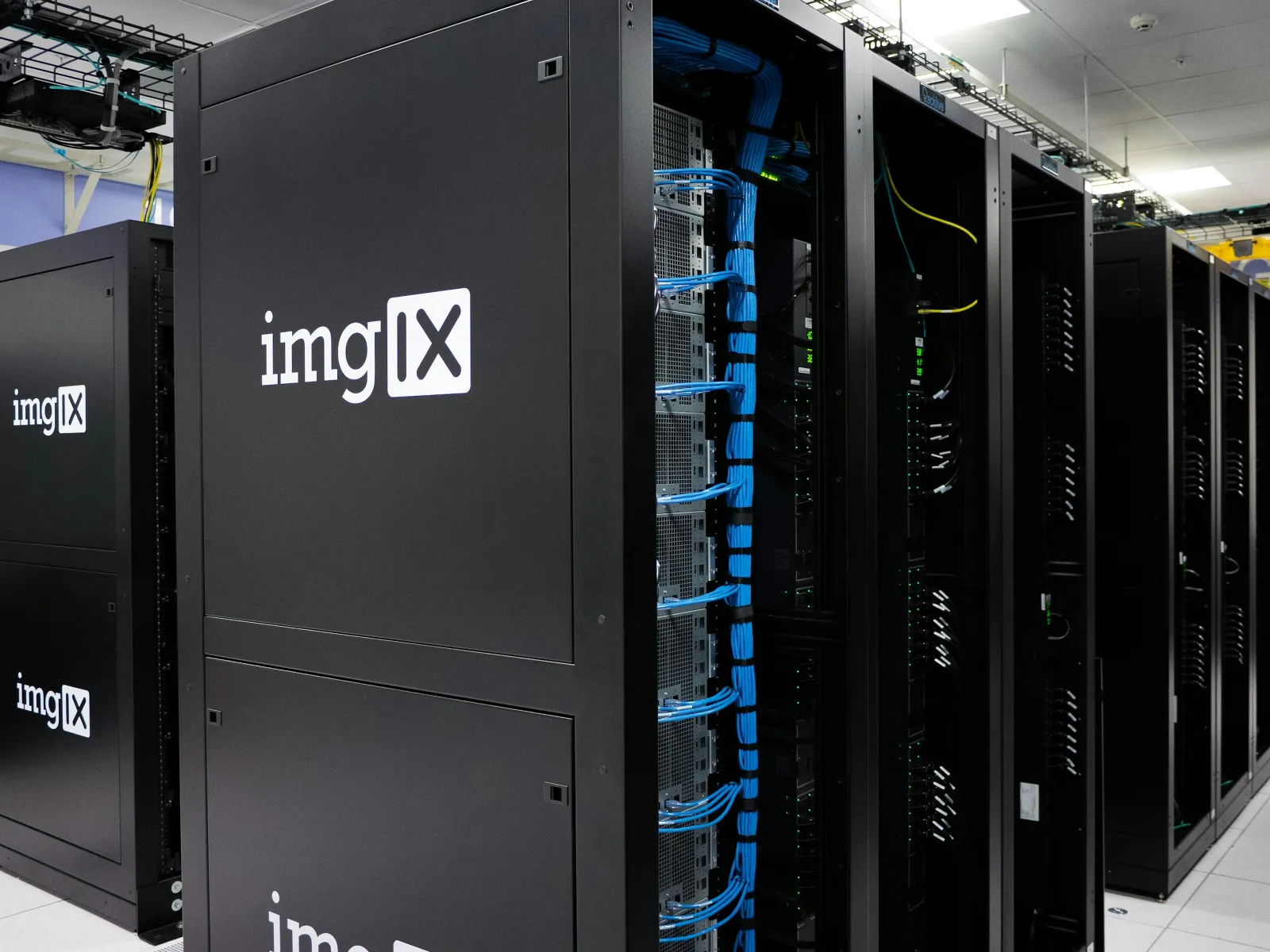
High-density racks increasingly house GPU clusters, AI accelerators, high-performance CPUs, liquid cooling systems, and specialized interconnect fabrics. In advanced AI environments, rack-level values can materially exceed traditional enterprise deployments. When you multiply the values of these racks by rows by rooms in one building and then by multiple buildings on one campus, the concentration of values becomes staggering.
Semiconductor supply constraints, geopolitical exposure, and fabrication concentration continue to influence pricing and availability. Lead times for advanced GPUs, AI servers, and custom configurations can extend well beyond traditional IT refresh cycles.
For insurers and
asset owners, this creates key valuation challenges:
- Do declared values reflect today's true replacement cost for high-density computing environments, including AI hardware, specialized cooling, and integrated network infrastructure?
- With the declared values and contractual insurance requirements from hyperscale clients, what are the reasonable and realistic insurance limits that should be purchased, and can the insurance markets provide enough limit capacity?
- Have business interruption limits and indemnity periods been aligned with realistic restoration timelines, considering OEM production capacity and semiconductor supply constraints?
- Has the value of the digital backbone been fully accounted for, or are critical systems unintentionally sitting outside declared property values?
Underinsurance risk extends beyond transformers and switchgear. It includes silicon, servers, and the digital backbone that generates revenue.

Lead Time Is Now a Strategic Risk Variable
Cost escalation attracts attention, but lead time volatility may be even more consequential. With the rapid increase in capital deployment in this space, key suppliers cannot keep up with the demand leading to a growing backlog measuring sometimes in years for large power transformers, custom switchgear, backup generation systems, and specialized cooling equipment. Additionally, key components of the equipment that are coming into the data centers in the US are facing uncertain cost variables from tariffs that can have a material impact on project budgets.
Longer rebuilding timelines extend restoration periods. Business continuity plans that assume historical replacement timelines may no longer be realistic. Property limits may be insufficient as restoration assumptions become misaligned with today's supply chain environment.
Due to the dynamic nature of these variables leading to increased risk created by inflationary costs, increased and uncertain lead-times, insurance valuation and resilience planning should no longer be evaluated separately.
Grid Interdependence Expands the Insurable Asset Base
Data centers are increasingly embedded within concentrated infrastructure corridors supported by dedicated substations, new feeders, and significant utility upgrades.
A critical question emerges: what is owner-supplied, what is utility-owned, and how is risk allocated? Without clear delineation, coverage gaps and valuation disputes can follow.
A modern
insurance appraisal must clearly distinguish owner infrastructure, tenant
improvements, and utility responsibility to ensure the insurable asset base is
properly defined.

Underinsurance Is Now Multi-Dimensional
Underinsurance is
no longer simply an outdated square-foot cost issue.
It may stem from understated electrical infrastructure values, failure to reflect increased power density within the white space, incomplete valuation of substations and interconnection assets, or underestimated business interruption duration.
In a loss
scenario, disputes increasingly center on whether declared values reflect
current market realities and whether restoration timelines were realistically
modeled.
A Structural Shift — Not a Temporary Spike
Energy intensity is increasing. Excessive water usage is creating reputation risk. Infrastructure complexity is expanding. Lead times for specialized equipment remain volatile. Concentration risk in key markets continues to accelerate.
Replacement cost must now be evaluated in the context of infrastructure dependency, equipment availability, and realistic restoration timelines and not just square footage. In today's power-intensive economy, insured value is no longer just a number. It is increasingly a reflection of operational survivability.

Partner With GA Group's Risk Solutions Experts
If you’re navigating the evolving landscape of data center infrastructure, transformers lead times, or insurance valuation risk, don’t go at it alone. GA Group’s multidisciplinary Risk Solutions team combines deep insurance valuation expertise with real-world understanding of power systems, supply chain dynamics, and restoration risk. We help owners, lenders, and insurers make confident decisions in a rapidly changing market.
Connect with our team to ensure your insured values and resilience planning reflect today’s realities.